
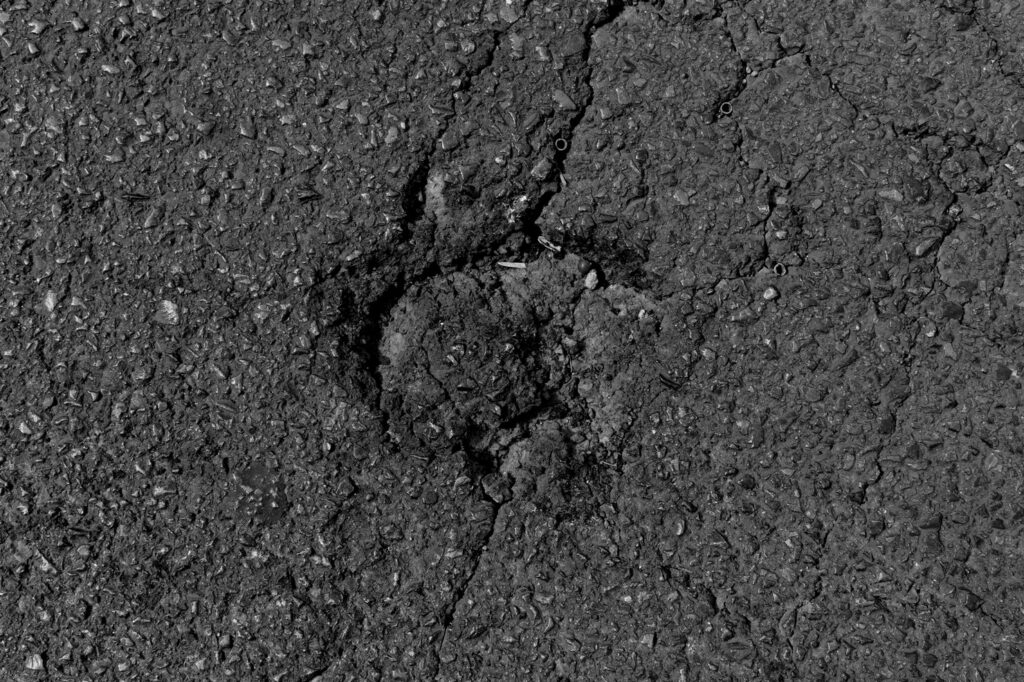
Stop Treating “Small” Asphalt Repairs As Small Problems
Small asphalt repair does not feel urgent when you manage a busy commercial property. A few birdbaths in the drive lane, a shallow pothole near the dumpster, and some cracking around a catch basin often get bumped behind striping, landscaping, or interior work. On a quick walk, the lot still looks fine, so the plan becomes to deal with it “next year.”
The problem is that pavement does not wait for budget cycles. In a 12‑month window, minor defects can double in size. Across five years, those same “small” repairs turn into repeat service calls, trip hazards, and bigger structural failures, even if the surface still looks mostly black and smooth.
We see this every day on multi‑tenant retail centers, medical campuses, and HOA common areas across the Eastern United States. To make it clear, we will compare two typical commercial lots. One tackles issues quickly with permanent methods. The other leans on cold patch and defers anything that looks expensive. The difference shows up in risk, liability, ADA exposure, tenant experience, and asset value, not just in how the pavement looks.
How Asphalt Really Fails in Commercial Parking Lots
Asphalt does not fail all at once. It breaks down from the top and from the bottom at the same time.
Here is what is working against your lot:
- Traffic load from cars, box trucks, and delivery semis
- UV exposure that dries and stiffens the asphalt surface
- Water intrusion through tiny cracks, seams, and joints
- Movement in the stone base below the surface
In the Eastern U.S., we add freeze‑thaw cycles, heavy summer rain, plowing, and deicing. Water seeps into small openings, freezes, expands, then leaves behind a bigger void. In warm weather, softened asphalt and heavy tires push down into that weakened area. Over and over, the cycle repeats and the damage grows.
The “cosmetic” signs are actually early warnings such as:
- Block cracking and alligator cracking in traffic lanes
- Depressions around utility cuts and manholes
- Ruts in delivery lanes and drive‑thru queues
- Settled patches near dumpster pads and loading docks
These are not just appearance issues. They show that the surface is no longer spreading load the way it should, and that water is reaching the base. If you manage properties like:
- Delivery truck lanes and warehouse yards
- Medical offices and senior housing where turning traffic is high
- HOAs with bus loops and central mail kiosks
you will see these patterns form first where point loads and tight turns are worst. That is where small asphalt repair, done early, protects the rest of the lot.
Cold Patch, Quick Fixes, and Why Potholes Reopen
When a pothole shows up, the fastest answer is often a bag of cold patch. A crew dumps material in the hole, tamps it down, and moves on. Other common “band‑aid” fixes include loose stone, low‑compaction hot mix, and thin skin patches that only touch the top of the problem.
These quick fixes tend to fail because:
- The area is not saw‑cut, so the edge is ragged and weak
- Saturated or unstable base is left in place
- Compaction is light and often done with truck tires instead of proper tools
- Cold joints around the repair let water sneak back in
Here is the usual failure cycle. Late winter, a small pothole gets cold patch. By early summer, traffic and heat begin to ravel the edges. Water runs down the side of the patch into the voids below. By next winter, freezing and thawing break up the patch and the pothole comes back larger and deeper.
From a risk standpoint, this matters. Property owners, management companies, and boards do not shift liability just because some material was thrown in the hole. If a “repaired” pothole pops out and leaves a sharp edge, or if a low spot at an ADA route holds water and ice, the responsibility still sits with you.
Infrared Repair vs. Traditional Patching For Long-Term Control
To stop chasing the same defects, small asphalt repair needs to be permanent, not just quick. That usually means:
- Saw‑cutting the failed area with clean, straight lines
- Removing broken asphalt and any soft, wet base material
- Rebuilding the base so it is stable and well compacted
- Placing hot mix asphalt and compacting it to match grade
Infrared or thermal repair adds another layer of control for many small areas. With infrared, we heat the existing asphalt in and around the failed spot. Once it is workable, we scarify the heated area, blend in fresh hot mix, then re‑compact. The old and new material knit together into a single, smooth, dense mat, without cold seams that invite water.
In simple terms, traditional cut‑and‑replace is best where:
- There is deep base failure or a collapsed utility trench
- The area is wide, very broken, and pumping water
Infrared repair is ideal when:
- You have localized potholes or joint failures
- There are shallow depressions or seam separations
- You want a smooth transition at ADA routes, crosswalks, and cart paths
Operationally, permanent approaches mean:
- Faster in‑and‑out repairs with smaller work zones
- Less downtime for drive aisles and dock approaches
- Fewer emergency calls to fix the exact same spot again
For your team, that translates into less disruption to tenants, fewer complaints about rough surfaces, and a better experience for wheelchairs, strollers, and pedestrians.
A 12-Month vs. 5-Year Case Study Perspective
Now let us look at two typical commercial lots in the Eastern U.S.
Lot A takes a preventive approach. After winter and heavy spring rains, it inspects damage and schedules permanent small asphalt repair on cracks, birdbaths, and early potholes. Infrared repair and proper cut‑and‑replace keep defects small and contained.
Lot B is reactive. It cold‑patches only the worst potholes and ignores early cracking and mild depressions. If tenants complain, more cold patch goes down, but no structural work gets done.
Over the first 12 months:
- Lot A closes small sections for short windows and corrects root causes
- Lot B spreads cold patch around, but defects slowly grow under the surface
Across five years, you see clear differences that go beyond money:
- Patch counts climb in Lot B, and each patch footprint gets larger
- Tenants and customers report more bumps, puddles, and trip concerns
- ADA access routes in Lot B develop more trouble spots and hold more water
- Maintenance crews return again and again to re‑patch the same areas
Lot A, on the other hand, keeps conditions relatively stable. The lot looks consistent, risk stays lower, and repairs can be grouped into predictable maintenance windows. For asset managers and portfolio owners, that means fewer surprises, a safer guest experience, and a stronger story when it is time to renew leases or sell.
Inspection Schedules, Seasonal Timing, and Industry-Specific Tactics
To control small asphalt repair instead of being controlled by it, you need a simple, repeatable inspection pattern.
We suggest:
- Quick visual checks monthly from late fall through early spring
- Structured walks at least twice per year, post‑winter and late summer
Plan deeper assessments:
- Right after freeze‑thaw season
- After major rain events that may show drainage issues
- Before peak retail or school seasons when traffic is highest
Different properties should focus on different hot spots:
- Retail and restaurants, front bays, crosswalks, and drive‑thrus
- Healthcare, senior living, and schools, ADA paths, drop‑off zones, and ambulance or bus loops
- HOAs and multifamily, main drive lanes, mail kiosk areas, guest parking
- Industrial and logistics, dock approaches, truck turns, and stacked trailer lanes
Regional stressors matter too. Along the coast, salt air and drainage are a bigger issue. In northern markets, snow storage piles and plow blades chew up edges. In southern Eastern states, long periods of heat and UV can soften and age asphalt faster. Align your inspection and repair plans with the actual weather your sites see.
Turning Parking Lots Into Low-Risk, Low-Drama Assets
The goal is simple. Shift your lots from constant drama to quiet, predictable assets. That happens when small asphalt repair is treated as a structural maintenance tool, not a cosmetic line item or a once‑a‑decade project.
When you understand why potholes reopen, why cold patch is temporary, and how permanent and infrared repairs control damage, the five‑year picture changes. You cut down on incidents and claims, support your brand image, and give tenants and customers a safer, smoother experience, all while keeping emergency disruptions out of your calendar.
At Pothole Repair, we focus every day on permanent pothole and asphalt repair for commercial, municipal, and institutional lots across the Eastern United States. Our perspective is simple: fix small problems the right way, at the right time, so your pavement works for your business instead of against it.
Get Started With Your Project Today
If you are seeing early signs of wear in your pavement, now is the ideal time to schedule small asphalt repair before minor issues turn into costly damage. At Pothole Repair, we carefully assess your surface and recommend targeted fixes that fit your budget and timeline. Our crew works efficiently to restore safety, appearance, and durability with minimal disruption to your property. Reach out today so we can put together a plan that keeps your pavement performing its best.
