
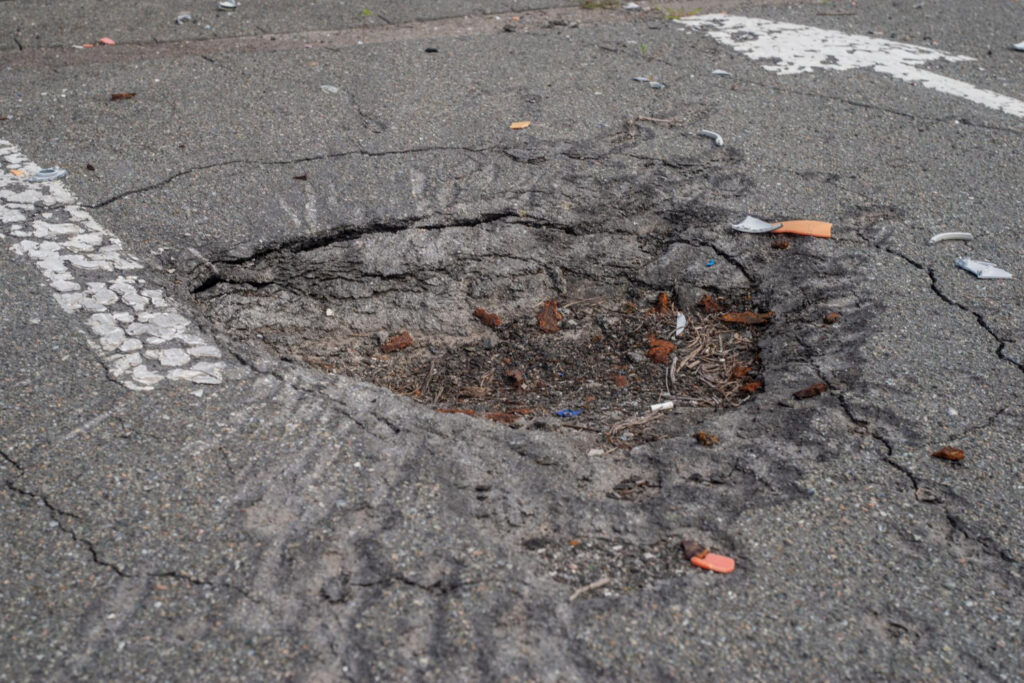
Turn Parking Lot Potholes Into a Standardized Process
Parking lot pothole repair does not have to be chaotic. For multi-site portfolios, it can be a clear, repeatable process that protects people, brands, and assets. The issue is not that repairs are impossible; it is that every site and vendor handles them differently.
Many owners deal with different scopes, materials, and methods at every location. One store gets a quick cold patch, another gets a deeper hot repair, and a third is left untouched until a trip-and-fall happens. That leads to uneven surfaces, surprise emergencies, and a lot of second-guessing.
A straightforward standard operating procedure for parking lot pothole repair changes that. When you define scope, QA, vendor expectations, and reporting at the portfolio level, you stop reacting and start managing risk and budget. At PotholeRepair.com, founded in 2010, we focus solely on commercial pothole and asphalt repair, and we have seen how much smoother multi-site operations run once this structure is in place.
Why Potholes Keep Coming Back in Commercial Lots
Asphalt fails in predictable ways. It is a mix of stone, sand, and asphalt binder. Over time, that binder breaks down and lets water in. Then the base under the surface weakens and traffic finishes the job.
Common stressors include:
- Water intrusion from rain and poor drainage
- Freeze-thaw cycles in colder regions that push and pull the pavement
- Southern heat that softens asphalt, mixed with heavy storms that erode it
- UV exposure that dries and cracks the surface
- Coastal salt air and deicing salts that speed up breakdown
- Heavy turning and braking in drive lanes and near entrances
Many parking lot pothole repair attempts fail because the repair is only skin deep. Shallow patches are placed over soft base, cold patch is treated like a permanent fix, or the crew does not compact properly. Open seams let water right back in. Cracks around the pothole are ignored, so the damaged area simply grows.
For a commercial property, this is not just a pavement problem. It is a risk problem. Recurring potholes increase liability, bother tenants and customers, and interrupt operations when an area has to be coned off again and again. They also drag down the look and value of the property.
The answer is an engineered, permanent repair that restores structure, not just appearance. That means getting to sound material, treating the surrounding cracking, and bonding new asphalt properly so the same hole does not keep reopening. That is why we favor permanent repair methods over temporary patching that is likely to ravel out and reopen under traffic and weather.
Defining a Standard Scope for Parking Lot Pothole Repair
A workable SOP starts with a standard scope of work that applies across the portfolio. Every site and vendor should be speaking the same language. That includes:
- Clear defect types: potholes, alligatored areas, trip lips, raveling, birdbaths or low spots
- Minimum repair sizes so tiny patches are not scattered everywhere
- Required repair depths tied to how much base is damaged
- Defined compaction steps so density is consistent
At PotholeRepair.com, we structure scope around how long the repair should last and how much risk it removes. In general:
- Permanent thermal or infrared repair for most parking lot potholes and small failed areas
- Semi-permanent hot patch where size, depth, or conditions call for a different method
- Clearly marked temporary cold fill used only as short-term risk control, not as a final fix
Thermal or infrared bonding works by heating the damaged asphalt until it can be worked, removing weak material, then blending in fresh hot mix. This mix is raked, checked for grade, and compacted. Because the new and old asphalt are fused together, there are no cold joints or seams for water to enter. The process extends the life of existing asphalt instead of cutting out and replacing large areas, which is both less intrusive and greener because it reuses sound material already in place.
This standard scope has clear business benefits. Repairs are predictable from site to site, there is less waste because much of the existing asphalt stays in place, and work is focused on small, targeted areas instead of cutting and replacing large sections. Tenants and customers see minimal disruption and fewer barricades, and lots remain open during work through phased, fast per-pothole repairs rather than full shutdowns.
Building a Practical Field QA Checklist
A good SOP lives or dies in the field. The QA checklist has to be simple enough that crews actually use it, but detailed enough that managers can trust the results.
Key checklist items should include:
- Defect type and location
- Site safety setup and traffic control
- Repair method selected (thermal, hot patch, temporary)
- Size of repair area and depth of removal
- Base condition and any stabilization steps
- Compaction sequence and equipment used
- Final surface condition, slope, and tie-ins
Photos tied to simple condition codes before, during, and after turn this checklist into proof. That proof supports internal audits, vendor reviews, and insurance defense if there is a claim.
We rely on standardized inspection forms for our crews, plus training that calls out high-risk zones like crosswalks, accessible routes, loading zones, and main paths from parking to entrances. QA steps aimed at liability reduction are non-negotiable: trip hazards removed, ponding water addressed where realistic, patches flush and tight, and ADA-related slopes checked in the repair area.
Vendor SLAs and Portfolio-Level Reporting
Once scope and QA are set, you need vendor SLAs that line up with how your portfolio actually runs. For multi-site parking lot pothole repair, the SLA should spell out:
- Response times for safety issues like deep potholes or major trip hazards
- Seasonal inspection windows for routine walks and repair programs
- Communication rules, including who gets notified and when
- Clear use of terms like temporary, semi-permanent, and permanent
SLAs should also match operations. That often means night work or off-peak hours, phased work so the lot stays open, set expectations for cones, barricades, and striping, and coordination with on-site managers.
At scale, consistency matters. We structure our SLAs for multi-site and national brands so that repair standards, materials, and reporting match region to region. When conditions in the field do not match the work order, there is an agreed path to escalate, adjust scope, and protect both the property and the budget.
None of this works without data. Portfolio-level reporting turns asphalt conditions into something asset managers can act on. Useful reporting includes:
- Site-by-site condition summaries
- Heat maps of recurring problem areas
- Trends by region, brand, or property type
- Prioritized lists of repairs by risk level and business impact
Because everything is coded the same way, photos and notes roll up cleanly. Patterns appear, like certain loading areas that always fail, or regions where drainage is a repeat problem. Maintenance plans can then shift toward early intervention on cracks and small potholes, instead of constant emergency calls.
Our PARC Plan is built on this idea. Scheduled inspections, combined with planned repairs, keep more defects in the stage where permanent thermal repair is possible and delay the need for larger structural work that would require more intrusive methods.
Seasonal Adjustments and Turning Lots Into Managed Assets
Mid-summer is often the best time to look closely at your lots. Pavement is dry, damage from winter and spring shows clearly, and conditions are ideal for thermal and hot mix work. A strong SOP treats the year as a cycle, with:
- Post-winter inspections to catch new potholes and cracking
- Mid-year preventive visits to handle early failures
- Pre-winter sweeps focused on high-traffic and high-liability zones
Regional tweaks matter. Cold regions push hard right after winter, hot sunny areas watch for raveling and surface drying, and coastal or rainy regions stay focused on drainage and water entry that lead to potholes and heaving.
When you step back, the goal is straightforward. A clear, enforceable SOP for parking lot pothole repair turns pavement from a recurring risk into a managed asset. With standard scope, field-ready QA, smart SLAs, and portfolio-level reporting, you reduce trip-and-fall exposure, keep tenants and customers safer, protect asset value, and make spend more predictable by extending the life of your existing asphalt instead of moving quickly to costly alternatives like full replacement.
At PotholeRepair.com, we have spent more than 15 years focused only on commercial pothole and asphalt repair for multi-site and commercial properties, maintaining thousands of lots. Our permanent thermal and infrared repairs, trip hazard and ADA-related work, crack sealing, and PARC Plan programs are all built around the same idea: fix problems early, fix them right, extend the life of existing asphalt with permanent repairs, and give owners the data they need to manage risk across every lot they operate.
Get Started With Your Project Today
If your lot is showing cracks, crumbling edges, or potholes that are getting worse, we are ready to help you protect your investment and keep visitors safe. At Pothole Repair, our experienced crews use proven methods to deliver long-lasting results that minimize disruption to your business. Learn more about our parking lot pothole repair services and see how we can restore your pavement quickly and efficiently. Reach out today so we can review your lot, explain your options, and schedule work that fits your timeline.
