
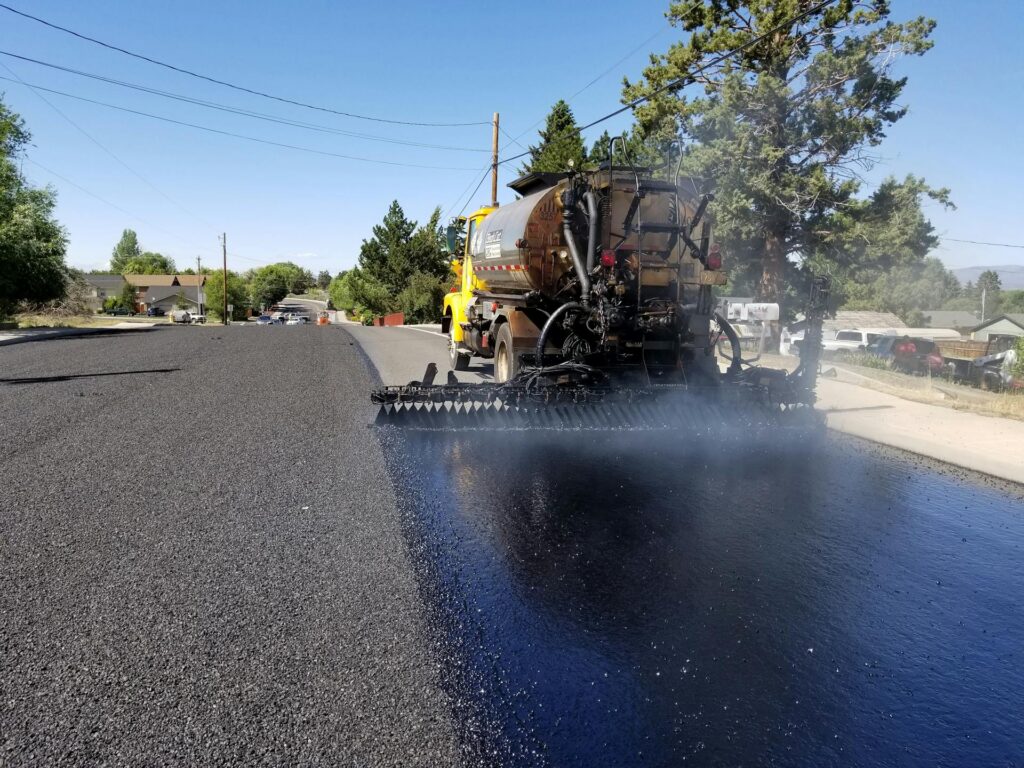
Spring is that window of time where the cold has passed, but the blazing heat has not arrived yet. For commercial property managers, it is the perfect season to take a close look at your pavement areas and assess the wear and tear left behind by winter. If you have ever wondered how to maintain commercial asphalt properties throughout the year without costly surprises, the answer is a seasonal plan that stays ahead of the issues.
Each season brings different stress to your pavement. Rain, freezing temperatures, heat waves, and heavy traffic all leave their mark. Sidewalks, drive lanes, loading zones, and parking surfaces take the brunt of it. Having a reliable checklist in hand helps keep things simple, letting you spot problems early so they do not grow into something bigger. Here is how to keep commercial asphalt properties in shape season by season.
Spring: Inspection and Early Repairs
Winter wears pavement down in quiet but serious ways. As the ground thaws, it is time for a full walk-through of your property. Start with the spots most likely to suffer from freezing and salting.
- Look for new or widened cracks, potholes, and soft areas where water might have seeped in
- Focus on drainage zones; pooling water or runoff issues often signal foundation problems forming underneath
- Make a list of damage to fix now rather than waiting, since small spring repairs are much easier and more cost-friendly than fixing structural damage mid-summer
Catching these problems early helps prevent them from spreading. Warm spring weather is the best time for repairs because materials cure better, and crews can work without delay. We use proprietary, eco-friendly materials that set quickly, letting high-traffic areas get back to business faster.
For commercial properties, spring offers a natural opportunity to assess not just the paved areas themselves, but also nearby landscaping and adjacent structures. Trees or bushes that have overgrown in the colder months may need trimming to prevent root damage to the asphalt. Likewise, evaluating lighting and signage placement ensures improved safety and visibility in the months ahead. Taking a comprehensive approach as part of your spring checklist helps address smaller concerns before they grow larger.
Summer: Protect and Prevent
Once spring repairs are behind you, summer becomes about protecting what you fixed and preventing new damage. The heat dries things out, but it also puts stress on asphalt from above and below.
- Schedule sealcoating during dry spells to help block harmful UV rays and keep the pavement from cracking due to oxidation
- Watch for stains from oil, gas, or chemicals around high-traffic zones, as these can soften the asphalt if ignored too long
- Re-stripe faded traffic lines, fire lanes, and ADA markings to boost both safety and curb appeal
Sealcoating is not just about looks. It adds a barrier against sun, fluids, and the wear from tire friction. When everything is clean, sealed, and properly marked, your property looks well cared for, and it functions better too. Commercial properties benefit from rapid-drying solutions, which we provide so business operations are minimally impacted.
Monitor surface temperatures during the summertime, especially in parking areas with little shade. Prolonged exposure to direct sunlight can raise the surface temperature significantly, increasing the risk of softening and tire impressions. If possible, encourage staggered parking for employees or visitors to even out where vehicles rest, minimizing excessive localized pressure. Ensuring your maintenance plan accounts for weekly visual checks helps spot heat-related issues early.
Fall: Prep Before the Freeze
As summer winds down and fall begins, focus shifts toward winter prep. Cold weather and snow can be brutal on asphalt, so use this season to fix what the heat may have caused and get ready for whatever is coming.
- Clear out grates, drains, and catch basins so melting snow and rain have somewhere to go
- Fill in new cracks that showed up during the summer to help block water from seeping into pavement layers
- Walk the lot again with your maintenance partner or in-house team to mark any areas that should be addressed before it gets too cold
This is the time to plan, not react. Creating a list of action items in fall lets you stay ahead of winter, not chase damage once it has already happened. We offer maintenance plans that help schedule proactive repairs and drainage improvements, especially for retail and multi-use commercial sites.
Consider scheduling a deeper cleaning of parking areas and access roads during this season. Removing leaves, debris, and sediment helps prevent clogged drains and minimizes slip dangers as surfaces become slick. Early fall is also the right time to check pavement markings once again, as fading lines can become hazards in low-visibility winter weather. A little preparation now shields your property from costly damage and safety problems during the colder months.
Winter: Monitor and Minimize Damage
Winter can not be avoided, but the damage it causes can be reduced by paying attention and adjusting service habits. Ice and snow might take center stage, but your pavement still matters underneath it all.
- Communicate with snow and ice removal vendors so they understand your asphalt layout and preservation plan
- Put up plow markers around curbs, speed bumps, and medians to reduce accidental scrapes and splits
- Keep track of where damage shows up during freezing months, so those spots can move to the top of your spring repair list
No property is immune from winter wear, but aligning vendors and your own team makes a big difference in how much damage actually shows up come March.
Stay engaged with weather updates and communicate those forecasts to any outside maintenance providers. Identifying freeze-thaw cycles early, such as sudden drops followed by warm spells, arms your team to watch for problem areas as ice melts, refreezes, and expands. Something as simple as routinely clearing snow from drains and catch basins helps reduce water buildup, making your spring repair list more manageable when the season changes.
Finish Strong with a Smarter Pavement Plan
Knowing how to maintain commercial asphalt properties year-round means working with the seasons, not against them. Each one brings its own demands, but when you stay organized with clear checkpoints and routine inspections, you stay ahead of the damage.
A solid schedule makes life simpler. It saves money over time and helps avoid last-minute scrambles when a surface breaks down unexpectedly. With a year-round mindset, you keep your properties safe, appealing, and easier to manage season after season.
Set reminders or calendar alerts for quarterly reviews and involve your maintenance team in ongoing updates. Even small adjustments, such as updating contact lists or logging the results of each inspection, will contribute to a smoother repair process next time. The value of a proactive plan becomes most obvious when the unexpected happens and you have a documented system for addressing problems quickly and efficiently.
Ready to make your property’s pavement last all year long? Discover expert strategies in how to maintain commercial asphalt properties and protect your investment with Pothole Repair by your side. A well-planned approach now saves you future headaches and unexpected expenses. Reach out to us today and let’s build a maintenance plan that fits your goals.
