
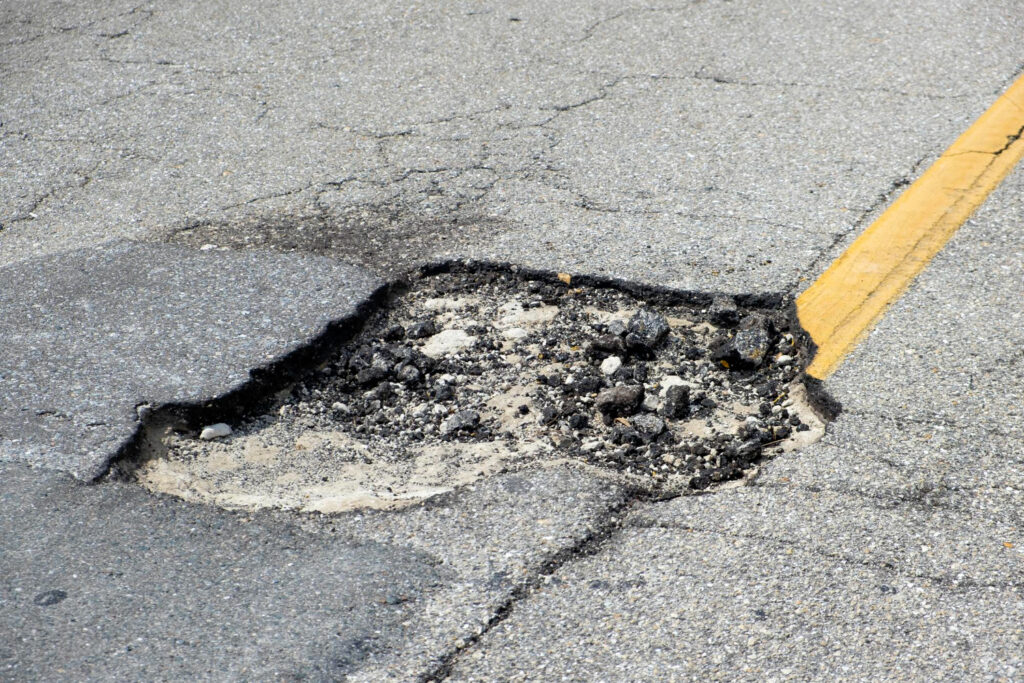
If your parking lot has seen the same potholes pop up year after year, you’re not alone. Cracks, sink spots, and loose pavement never stay fixed for long when the repairs are rushed or shallow. While a quick patch might get you through the week, it often comes right back in a matter of months.
If that sounds familiar, it might be time to consider long term parking lot pothole repair. Fixing damage with deeper, smarter solutions saves more than just the surface. It protects visitors, maintains curb appeal, and cuts down on repeat repairs. Thinking ahead now can keep your commercial site in better shape for the busy seasons coming up.
Why Potholes Keep Coming Back After Every Fix
Temporary patches seem like an easy answer until the same spots cave in again. That happens more often than not, and it’s usually because the real issue wasn’t touched. Most short-term repairs never address what’s happening below the top layer.
- Moisture is the biggest problem. Water seeps into small cracks and sits in the base, especially after storms or snow melt. If that water freezes or shifts, it breaks down everything around it.
- Weak patches can’t handle pressure from delivery trucks or steady vehicle traffic. Without stronger materials, they start to crumble as soon as heavy loads pass over them again.
- Poor drainage adds to the damage. If water isn’t moving away properly, it softens the base and causes the repair to fail faster, especially in high-traffic drive lanes.
Covering damaged areas without removing what’s underneath is like fixing a roof leak by painting the ceiling. It might look better for a little while, but the damage keeps growing.
What a Long-Term Pothole Fix Actually Looks Like
Taking a long-term approach means going further than just surface repair. It starts by stripping out broken materials, stabilizing what’s left, and rebuilding from the ground up.
- Repairs should go deep enough to reach solid layers and refill with fresh, compacted mix. If the base isn’t firm, nothing on top will hold for long.
- Hot-mix asphalt works well for most repairs. On colder days or in tight areas, strong cold-mix materials can be effective too, as long as the repair isn’t left shallow or loose.
- Sealing cracks around the area and checking nearby drains keeps future moisture from wrecking what was just repaired. Leaving open joints or slope issues behind only opens the door to new damage.
No one wants to revisit the same hole every year. That’s why long term parking lot pothole repair focuses on durability, not just appearances. It’s about removing the risk, not just smoothing things over.
Planning Repairs Around Spring Weather for Stronger Results
April is often the sweet spot for starting repair work, especially across the Eastern U.S. With ice mostly cleared and temperatures on the rise, pavement has more give, and repairs cure better.
- Warmer days allow materials to bond more tightly, which helps avoid air pockets, weak seams, and crumbling edges.
- Early repairs help prevent heat-related expansion. Summer heat can stretch pavement, which worsens cracks if they’re already forming.
- Crews can move faster without harsh weather slowing them down, and with schools still in session and vacation traffic not yet at its peak, it’s a great window for low-disruption work.
We use state-of-the-art infrared asphalt repair to deliver seamless results with less downtime, allowing most parking lots to remain open during repairs. Getting repairs done now gives you more breathing room during the rest of the year. Organized spring maintenance means fewer inconvenient shutdowns when business picks up.
What Property Managers Should Watch For Year After Year
If you’re managing multiple properties or busy commercial lots, patterns often tell the story. Some trouble spots speak louder than others.
- Same-day patches that fail in less than a year are usually signs of deep structural damage below the surface. These areas can’t be ignored or they’ll grow.
- Standing water after rain is more than just an annoyance. It usually means drainage needs to be fixed. That kind of pooling keeps the base wet and weak.
- Spring is a good time to walk your lots and note softening edges, cracked sections, or loose gravel tracked into walkways. If it’s breaking now, it will be worse by mid-summer.
Our preventive asphalt maintenance plans are built specifically for property managers and facility teams, offering custom schedules that minimize disruption and prolong pavement life. Small signs spotted early can make a big difference, especially if you’re managing multiple sites. Catching problems now keeps them from eating into your service budgets later.
Protect Your Lot Before the Heat Hits
Taking the time for long term parking lot pothole repair during spring is a smart move for the months ahead. Solid repairs now help fend off summertime heat damage and reduce the need for emergency patching when the ground is too hot to work efficiently.
When fewer repairs are needed, everyone benefits. Tenants deal with fewer blocked-off sections. Drivers avoid uneven pavement. Customers feel safe walking across clean, even surfaces. All of that speaks well for your property and keeps complaints low.
Spring gives us a cleaner slate to work with. Getting the right work done now means your pavement lasts longer, looks better, and works like it should throughout the hotter months. It saves time and headaches before they have a chance to start.
Don’t let recurring potholes drag down your property’s image or safety standards. Invest in long term parking lot pothole repair with Pothole Repair, and experience results that last beyond just one season. Our expert team addresses the root causes so your lot stays smooth, safe, and ready for everyone. Take the first step toward hassle-free maintenance and schedule your spring assessment today.
